
The Evolution and Benefits of Office Partition Walls
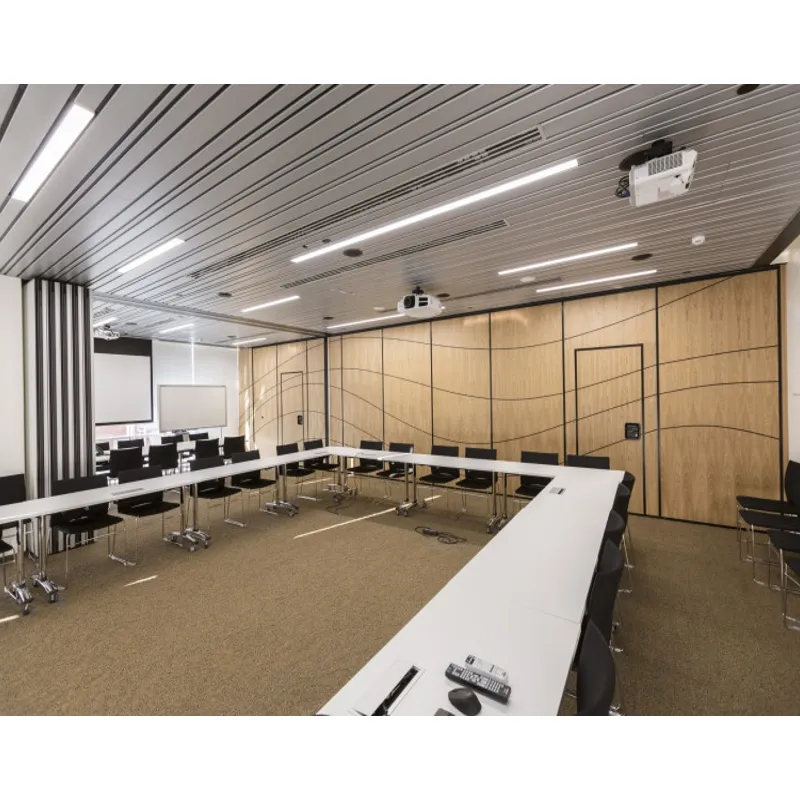
In today’s rapidly evolving business landscape, the design and functionality of office spaces have become focal points for enhancing productivity and employee satisfaction. One versatile solution that has gained significant traction is the use of office partition walls. These modern-day dividers are not just about separating spaces; they bring an array of benefits that address the demands of contemporary work environments. In this blog, we delve into the evolution, types, and advantages of office partition walls.
The Evolution of Office Spaces
Traditionally, offices were characterized by closed cubicles or expansive open-plan layouts. While cubicles offered privacy, they often felt isolating. Conversely, open layouts encouraged communication but at the cost of noise and distractions. The need for a balanced approach gave rise to the innovative use of partition walls, offering the perfect blend of openness and privacy.
Types of Partition Walls
In the context of flexible workspaces, partition walls come in various forms, each offering distinct benefits:
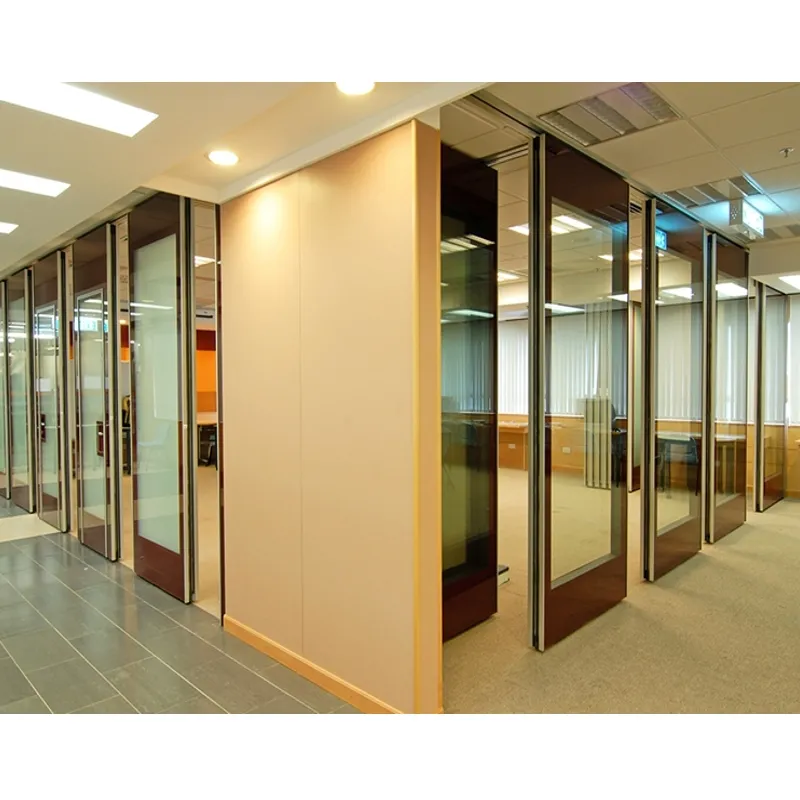
Glass Partitions: These are ideal for creating a bright and welcoming environment. Glass partition walls combine aesthetic appeal with functionality, allowing natural light to permeate across the office while maintaining an open, airy feel. They are perfect for crafting private spaces that still maintain a visual connection with the broader office environment. Moreover, variations such as frosted or textured glass can offer additional privacy without sacrificing the sense of openness.
Acoustic Partitions: In offices where noise can be a distraction, acoustic partitions prove invaluable. Constructed from sound-absorbing materials, these partitions help control ambient noise levels, creating quieter zones that foster concentration and productivity. Acoustic partitions are particularly beneficial in open-plan offices, enabling teams to work without the distraction of surrounding conversations or activities.
Moveable/Operable Partitions: For organizations that frequently adjust their layouts, operable partitions are a game-changer. These partitions can be easily moved or reconfigured to suit different needs, allowing businesses to transform open areas into a series of smaller rooms, or vice versa, with minimal effort. They offer unparalleled versatility, making them an ideal choice for businesses hosting events, workshops, or requiring temporary private spaces.
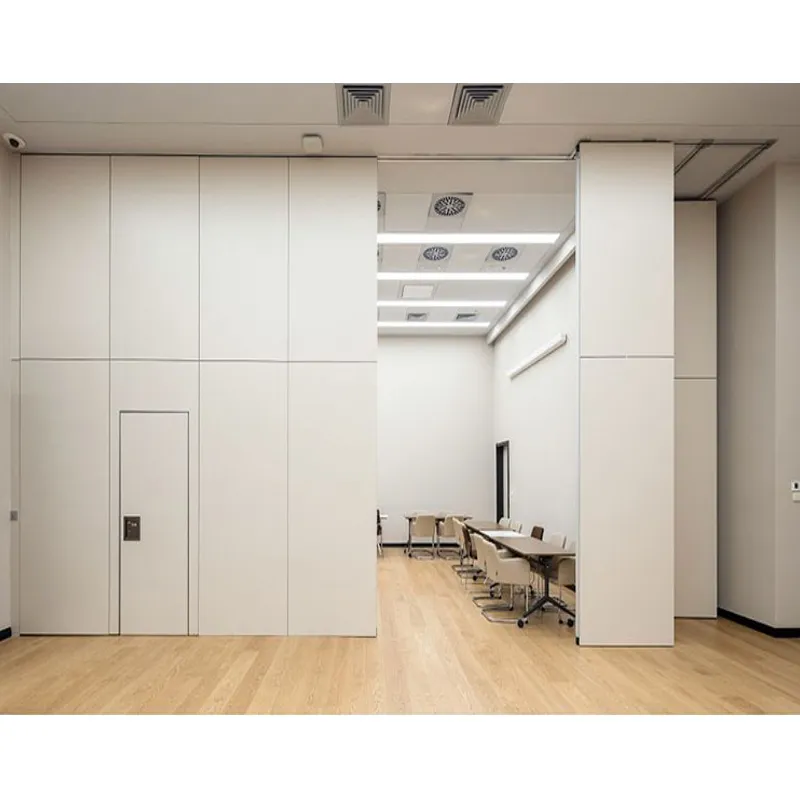
Solid/Drywall Partitions: When it comes to permanent office structures needing robust privacy and security, solid or drywall partitions are the go-to option. While not as flexible as other types, they provide excellent soundproofing and can be tailored to create secure areas for sensitive work. These partitions are essential for offices that require distinct areas for different departments or functions.
Benefits of Office Partition Walls
Enhanced Productivity: By minimizing distractions and defining personal work areas, partition walls can lead to increased focus and efficiency among employees.
Improved Communication: Partitions provide a balance between privacy and openness, encouraging organic interactions when needed while respecting personal space.
Aesthetic Appeal: With a range of materials, finishes, and designs available, partition walls can enhance the overall aesthetic of an office, reflecting the company’s brand and culture.
Cost-Effective Space Management: Rather than investing in permanent structural changes, partition walls offer a budget-friendly way to redesign office spaces. They are especially useful for growing businesses needing to adapt spaces without long-term commitments.
Sustainability: Many partition systems use eco-friendly materials and are designed to be reused and reconfigured, aligning with environmental and corporate social responsibility goals
Adaptability to Remote Work Trends: As hybrid work models become more prevalent, partition walls help create spaces that cater to both in-office employees and remote workers visiting the office occasionally. They enable quick transformations to accommodate fluctuating occupancy levels.
In Conclusion
Office partition walls have emerged as an essential element in contemporary workspace design. They cater to diverse needs, offering privacy, acoustic control, and aesthetic enhancement while promoting flexibility and sustainability. As businesses continue to navigate the nuances of modern work environments, partition walls provide a practical and stylish solution for optimizing office spaces. By adopting these innovative dividers, companies can create a harmonious balance between collaboration and concentration, ultimately contributing to a more engaged and productive workforce.