
How Do Acoustic Panels Work?
How Do Acoustic Panels Work?
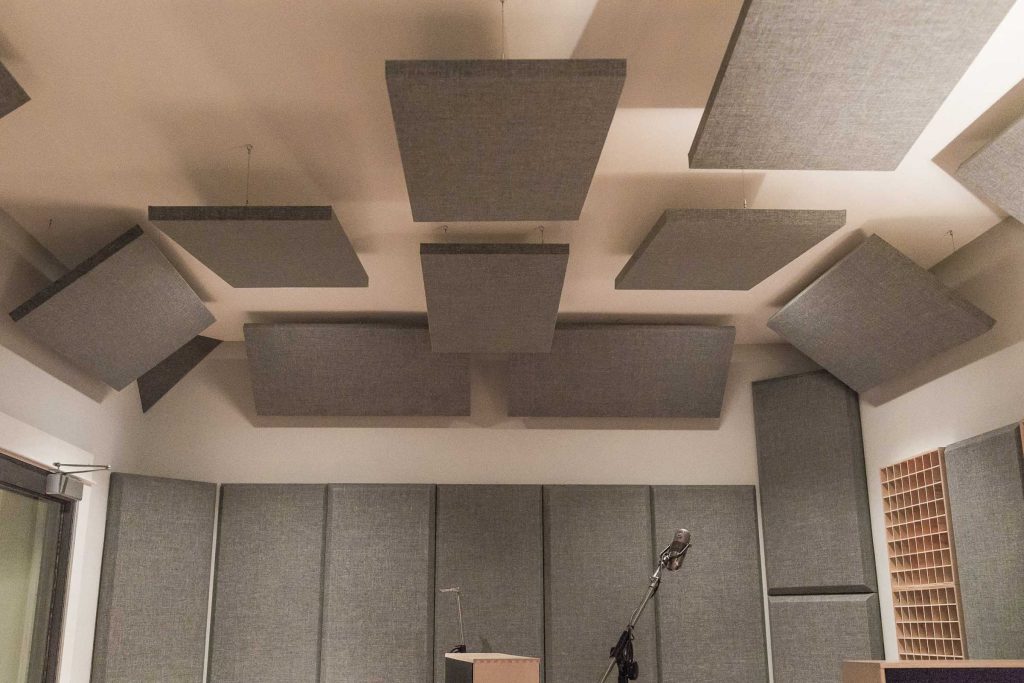
Acoustic panels are essential components in creating comfortable, noise-controlled environments in various spaces, from offices to recording studios. These panels play a crucial role in managing sound quality by absorbing and reducing unwanted noise, enhancing the acoustics of a room. But how exactly do they work? In this blog post, we’ll explore the fundamental principles behind acoustic panels and how they contribute to sound management.
What is Sound Waves?
To comprehend how acoustic panels function, it’s important to first understand the behavior of sound waves. Sound is a form of energy that travels through the air as waves. When these waves encounter surfaces, they can be absorbed, reflected, or diffused. Hard, smooth surfaces such as concrete walls or tiled floors tend to reflect sound waves, leading to echoes and reverberations. This can create acoustically uncomfortable environments, particularly in spaces where clear communication or sound recording is important.
Absorbing sound waves by Acoustic Panels
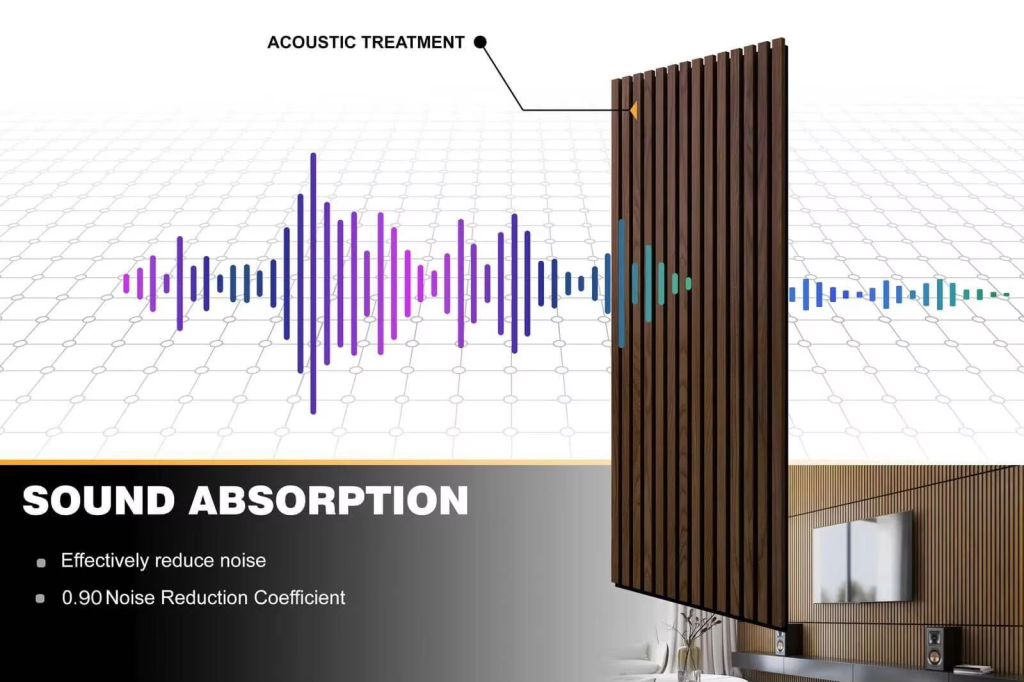
Acoustic panels are designed to absorb sound waves rather than reflect them. They typically consist of porous materials that allow sound waves to penetrate into the panel where the energy is converted to heat, effectively reducing the intensity of the sound. By doing so, they minimize echoes and excess noise, improving the overall acoustic quality of a room.
Key Components of Acoustic Panels
Material Composition:Most acoustic panels are made from materials such as polyester fiber, foam, or fiberglass. These materials are chosen for their high sound absorption coefficients, meaning they can absorb a significant amount of sound energy.
Porous Structure:The porous nature of these materials allows sound waves to enter and get trapped within the panel, converting sound energy into a small amount of heat, thus minimizing sound reflection.
Surface Texture: The texture and shape of an acoustic panel can also enhance its sound-absorbing properties. Some panels have irregular surfaces or are designed with patterns that help dissipate sound energy more efficiently.
Types of Acoustic Panels
There are various types of acoustic panels available, each suited for different applications:
Wall-Mounted Panels: These are the most common type and are used in both professional and casual settings to control sound.
Ceiling Panels: Often used in spaces with high ceilings where sound tends to reverberate, such as large office spaces.
Benefits of Acoustic Panels
Noise Reduction: By effectively absorbing sound waves, acoustic panels reduce ambient noise levels, enhancing speech clarity and overall sound quality.
Improved Communication: In office settings, clearer communication leads to increased productivity and reduced stress.
Versatile Aesthetic Options: Modern acoustic panels come in a variety of colors, shapes, and designs, doubling as decorative elements while improving acoustics.
Enhanced Privacy: In environments like office phone booths offered by Super Office Pod, acoustic panels ensure conversations remain private and discrete.
Installation and Placement
The effectiveness of acoustic panels largely depends on their placement. For optimal performance:
Identify Echo Points: Install panels on walls and ceilings where sound waves are likely to reflect.
Balance Coverage: Ensure panels are evenly distributed to prevent pockets of echo.
Consider Aesthetic Integration: Choose panel designs that complement the existing interior aesthetics.
In Conclusion
Acoustic panels are invaluable tools in the quest for sound-controlled environments. By absorbing unwanted noise and enhancing sound clarity, they contribute to creating spaces that are both functional and comfortable. Whether for an office, studio, or any space where sound quality is important, acoustic panels offer a practical, aesthetically pleasing solution. With the right strategic placement and material selection, they ensure that noise is managed effectively, making environments more conducive to work and interaction. By incorporating acoustic panels into your space, you can experience the measurable improvements in sound quality and overall acoustic comfort.